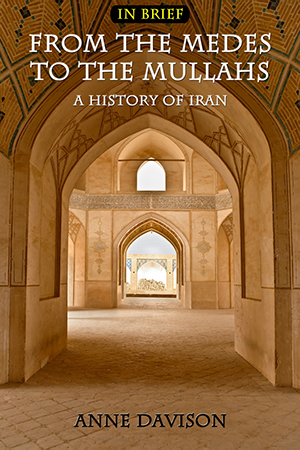
Iranian books
Traditional medicine (also known as indigenous or folk medicine) comprises medical aspects of
traditional knowledge that developed over generations within various societies before the era of
modern medicine. The World Health Organization (WHO) defines traditional medicine as "the sum total
of the knowledge, skills, and practices based on the theories, beliefs, and experiences indigenous
to different cultures, whether explicable or not, used in the maintenance of health as well as in
the prevention, diagnosis, improvement or treatment of physical and mental illness
In some Asian and African countries, up to 80% of the population relies on traditional medicine
for their primary health care needs. When adopted outside of its traditional culture, traditional
medicine is often called alternative medicine.[1] Practices known as traditional medicines include
Ayurveda, Siddha medicine, Unani, ancient Iranian medicine, Iranian (Persian), Islamic medicine,
traditional Chinese medicine, traditional Korean medicine, acupuncture, Muti, Ifá, and traditional
African medicine. Core disciplines which study traditional medicine include herbalism,
ethnomedicine, ethnobotany, and medical anthropology.
The practice and study of medicine in Persia has a long and prolific history. The Iranian
academic centers like Gundeshapur University (3rd century AD) were a breeding ground for the union
among great scientists from different civilizations.[1][2] These centers successfully followed their
predecessors’ theories and greatly extended their scientific research through history. Persians were
the first establishers of modern hospital system
In the 10th century work of Shahnama, Ferdowsi describes a Caesarean section performed on
Rudaba, during which a special wine agent was prepared by a Zoroastrian priest and used as an
anesthetic[26] to produce unconsciousness for the operation.[27] Although largely mythical in
content, the passage illustrates working knowledge of anesthesia in ancient Persia

top books
iran love you
Cannabis, also known as marijuana among other names,[n 1] is a psychoactive drug from the Cannabis
plant intended for medical or recreational use.[16][17][18] The main psychoactive part of cannabis
is tetrahydrocannabinol (THC); one of 483 known compounds in the plant,[19] including at least 65
other cannabinoids.[20] Cannabis can be used by smoking, vaporization, within food, or as an
extract.
Cannabis is often used for its mental and physical effects, such as a "high" or "stoned" feeling, a
general change in perception, euphoria (heightened mood), and an increase in appetite.[21][22] Onset
of effects is within minutes when smoked, and about 30 to 60 minutes when cooked and eaten.[21][23]
They last for between two and six hours.[23] Short term side effects may include a decrease in
short-term memory, dry mouth, impaired motor skills, red eyes, and feelings of paranoia or
anxiety.[21][24][25] Long term side effects may include addiction, decreased mental ability in those
who started as teenagers, and behavioral problems in children whose mothers used cannabis during
pregnancy.[21] Studies have found a strong relation between cannabis use and the risk of
psychosis,[26] though the cause-and-effect relationship is debated.
Cannabis is mostly used recreationally or as a medicinal drug. It may also be used for religious or
spiritual purposes. In 2013, between 128 and 232 million people used cannabis (2.7% to 4.9% of the
global population between the ages of 15 and 65).[28] In 2015, 43% of Americans had used cannabis,
which increased to 51% in 2016.[29] About 12% have used it in the past year, and 7.3% have used it
in the past month.[30] This makes it the most commonly used illegal drug both in the world and the
United States.